
Confessions of a Claudaholic!
Dreaming in tokens 🌩️

The best time to learn coding was 10 years ago and the second best time was never. I say this as someone who burnt his hands multiple times trying to learn frontend. Design and code need two different parts of your brain firing simultaneously - the creative and the logical. I respected the hell out of people who could do both.
For over a decade, the tech industry ran on a single power imbalance: people with opinions needed people with code. That gap created entire career categories - product managers, designers, tech co-founders who got 50% equity just because they could open a terminal and not be intimidated. It turned ‘technical co-founder’ into the most sought-after phrase in every WhatsApp group of aspiring founders. That era ended quietly sometime in the last four months, and most people haven’t processed it yet.
I started building a product a few weeks ago. What began as ‘let me just make one small web page’ turned into the most addictive experience of my professional life. One page became two, two became a full prototype, and somewhere around day three I stopped sleeping properly. Not because of stress - because of dopamine. For the first time, the thing in my head was becoming the thing on my screen without another human mistranslating it. I’d say something, and it would happen. There is magic right in front of my eyes without back to back meetings or PRDs or sprint plannings. In a decade of managing teams, I was finally working with something smarter than most people I’ve hired - and it had no ego.
Say hello to (my) Claude Code!
The internet is full of people feeling this exact high right now. ‘5 AM and I can’t stop building.’ ‘Shipped more this week than my last quarter at work.’ ‘Why does this feel like falling in love?’ They’re calling it a simulationship - a romantic relationship with your tools. I call them Claudaholics. I’ve also been around long enough to know what comes after the honeymoon. The question isn’t whether you can build.The question is whether what you built matters to anyone other than you. And that’s a much older, much harder problem that no AI model can solve.
We’ve seen this movie before - literally. There was a time when making a film itself was the achievement. Then phones got great cameras, editing software became free, and YouTube removed the gatekeepers. Did we get a golden age of cinema? We got a million reels. Making a film stopped being the moat. Storytelling became the moat. Taste became the moat. Knowing what to cut became more valuable than knowing how to shoot. Software is about to go through the exact same compression. Right now, building a product still feels like an achievement. Give it eighteen months. When every PM in Bangalore can ship a prototype, the flex of ‘I built this’ will carry the same weight as ‘I made a reel.’ Zero.
Here’s what I think is coming, and I don’t think most builders are ready for it. Everything you and I have built in the last three months will become irrelevant - not because it’s bad, but because a million other people are building the exact same thing. The dopamine of ‘I shipped something’ has a half-life. When everyone can build, building stops being the differentiator. We’re about to enter a phase where the tech industry looks a lot like the film industry: making the thing is table stakes. The question becomes - do you have taste? Do you know which problem is actually worth solving? Can you tell the difference between a feature that feels clever and a product that someone will pay for? Because LLMs can build anything. They cannot tell you what’s worth building.
So what survives? I keep coming back to the same answer: the people who understood humans before they understood machines. What survives the compression is what has always survived every technological democratization: judgment. Not taste in the aesthetic sense - taste in the strategic sense. The ability to look at a hundred things you could build and pick the one that solves a problem someone will pay to have solved. This has always been the hardest skill in tech. It was just invisible because building was so hard that most people never got far enough to realize their idea was bad.
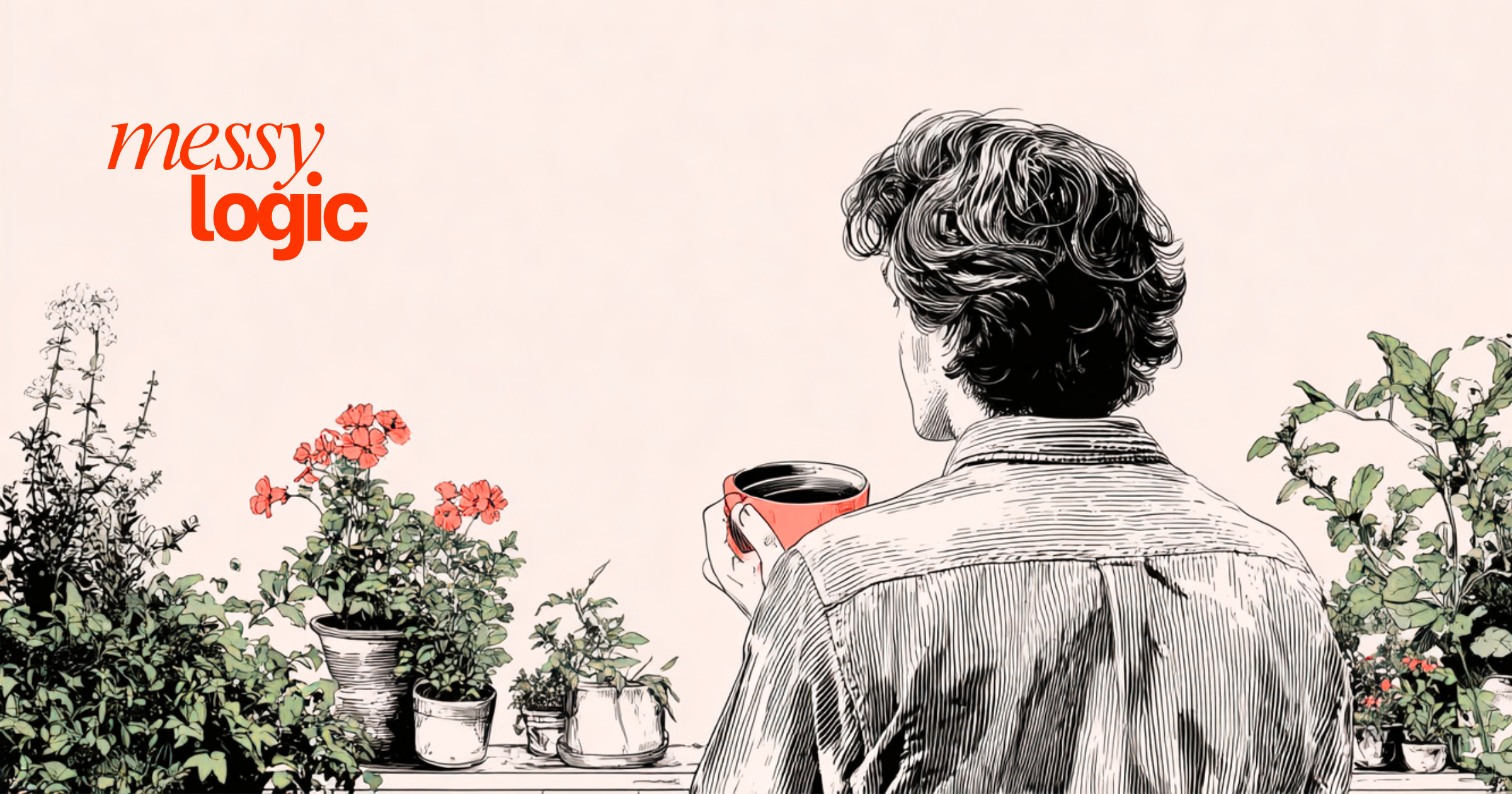
My wife maintains a garden. When new seeds arrive, she mixes them all together and scatters them across the soil. She doesn’t know which ones will grow. She just increases her odds and waters everything. Every morning she walks out to the balcony with her coffee and gets surprised by what bloomed. That’s where we are right now - a million seeds in the ground, everyone watering furiously. But here’s what my wife knows that most builders don’t: a garden isn’t beautiful because everything grew. It’s beautiful because someone knew what to keep and what to pull out.
The tools have never been cheaper. Taste has never been more expensive.
Your story telling is soooo good, you should write more :)
Very well written. Didn't realize when I reached the end :)